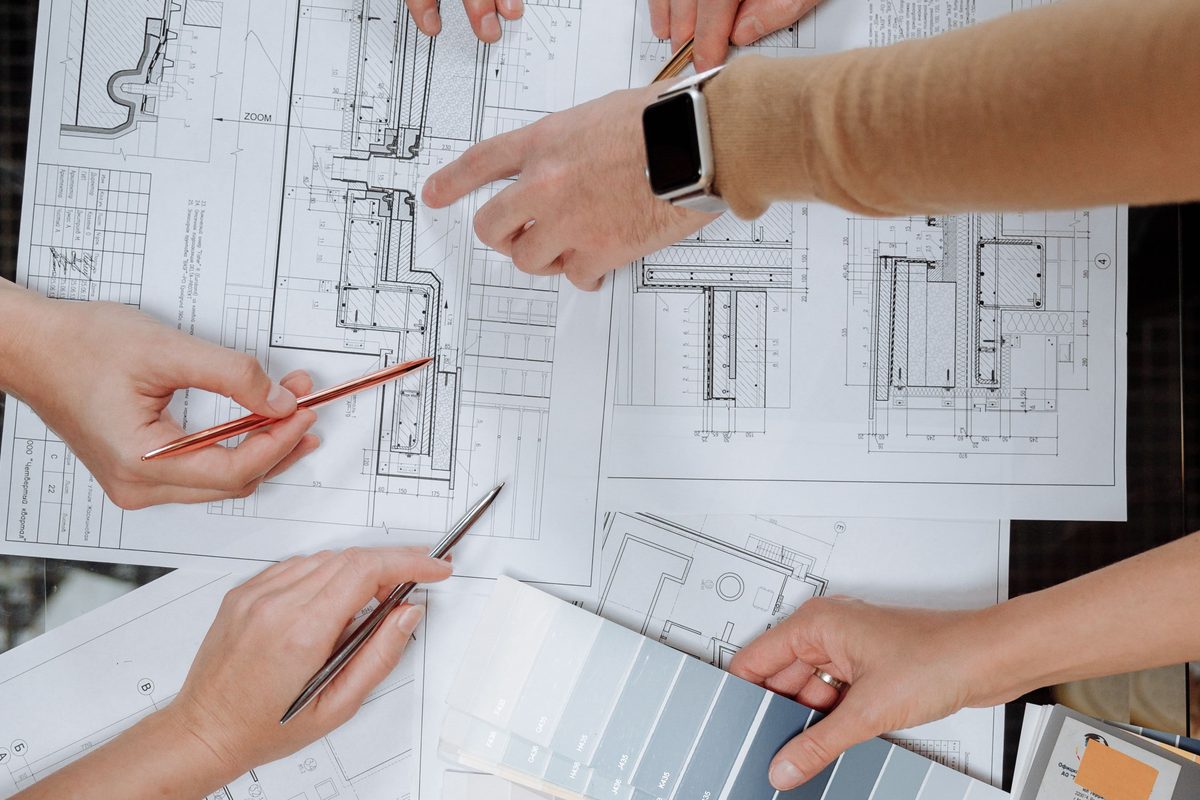
A process is not paperwork. It is the order in which decisions get made, and the order is what stops the expensive ones being made blind.
The five steps below are the same on a three-bedroom house and on a warehouse. What changes is the depth, not the sequence.
What happens, in order.
-
1
Discovery
We listen first. Your vision, your site, your budget, your constraints, your timeline, and what you have already committed to. We walk the site, review any existing drawings or reports, and identify what is unknown. The deliverable is a clear statement of what you are actually trying to build and what stands in the way.
-
2
Planning
Feasibility, costing and approvals mapped before commitments are made. Scope defined, phasing agreed, budget tested against real current rates rather than optimistic ones, and the approval path identified so nothing surprises you later. This is the stage where money gets saved.
-
3
Design
Tailored technical designs that fit the purpose and the ground. Coordination across disciplines so the drawings agree with each other, with a bill of quantities that a contractor can actually price without guessing.
-
4
Execution
Managed delivery with quality checks at every stage. Site supervision, materials verification, progress against programme, variations controlled and documented, and a single point of accountability. You get regular written reports, not rumours.
-
5
Delivery
Handover with the documents you need to own the building: as-built drawings, test certificates, warranties, and a maintenance outline. A snag list closed properly, not quietly.
How we keep quality honest.
- Written scope before work starts. If it is not in the scope, it gets priced before it gets built.
- Materials verified against specification on delivery, not on the invoice
- Hold points where work stops for inspection before it gets covered up
- Every variation documented with cost and programme impact before approval
- Compliance with the standards and consents that apply to your project, planned from the start rather than chased at the end
Not sure where your project is?
Most people arrive somewhere in the middle of this. Tell us what stage you are at and we will tell you what the next step involves.