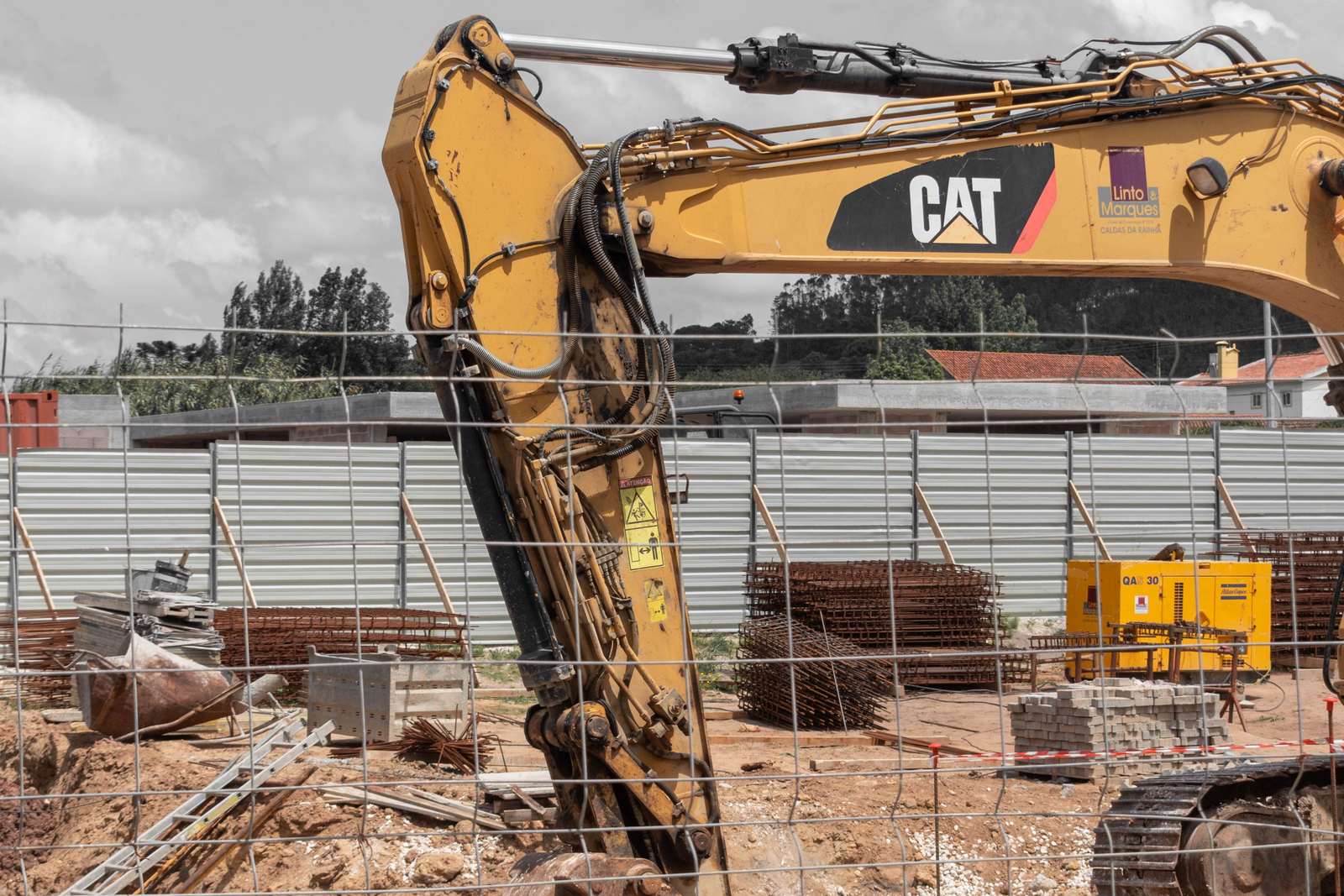
Most construction disasters are quiet. Nothing collapses. The project just costs forty per cent more than it was supposed to, takes twice as long, and everyone involved ends the year annoyed with each other.
Almost always, the cause traces back to a decision made before anyone poured concrete. Here are the five checks worth doing while they are still cheap.
1. Confirm the land before you design for it
Clean title, in the right name, with the boundaries where you think they are. Beacons on the ground matching the deed plan. Any easement, wayleave, caution or family interest surfaced now rather than in month six.
This sounds obvious and it is skipped constantly, usually because the land came through family or a long-standing arrangement that everyone assumes is settled. A boundary dispute discovered after foundations are in is not a legal problem any more. It is a demolition problem.
2. Investigate the soil instead of assuming it
A foundation is a conversation between a building and the ground under it. If you do not know what the ground is, you are guessing at one side of that conversation.
Black cotton soil is the obvious example. It swells when wet and shrinks when dry, and a foundation designed as if it were stable will crack the building above it. But the general point is broader: filled ground, high water tables, rock at unhelpful depths, and neighbouring excavations all change what the foundation has to be.
Investigation costs a fraction of one per cent of a build. Redesigning a foundation after cracks appear costs considerably more, and you still have the cracks.
3. Know your approval path before you commit
Different projects need different consents, and the sequence matters. Some approvals depend on others. Some take weeks, some take considerably longer. Some require the drawings to be prepared and submitted by a professional registered to do so.
Find out what your specific project needs, in your specific county, before you sign anything time-bound.
4. Follow the water
Walk the plot during heavy rain. Not after, during. Watch where water arrives from, where it pools, where it leaves. Then look at what your neighbours upslope are doing, because their drainage decisions become your problem.
Drainage is the most under-investigated element on small and medium projects, and it fails slowly. Damp walls, settling floors, and a compound you cannot use for two months a year rarely trace back to a single dramatic mistake. They trace back to nobody watching where the water goes.
5. Price against reality, and keep the contingency
Two rules. Base the budget on current material and labour rates rather than what something cost when your cousin built in 2019. And set aside a contingency you have genuinely not allocated to anything.
A contingency that is already earmarked for the kitchen is not a contingency. It is the kitchen budget with a hopeful name.
The pattern
Every item on this list is information, and information is cheap before the work starts and expensive afterwards. That is the whole argument for consulting: not that consultants are clever, but that the questions are much cheaper to answer early.
If you want a structured version of this, our readiness check walks through it in about two minutes.